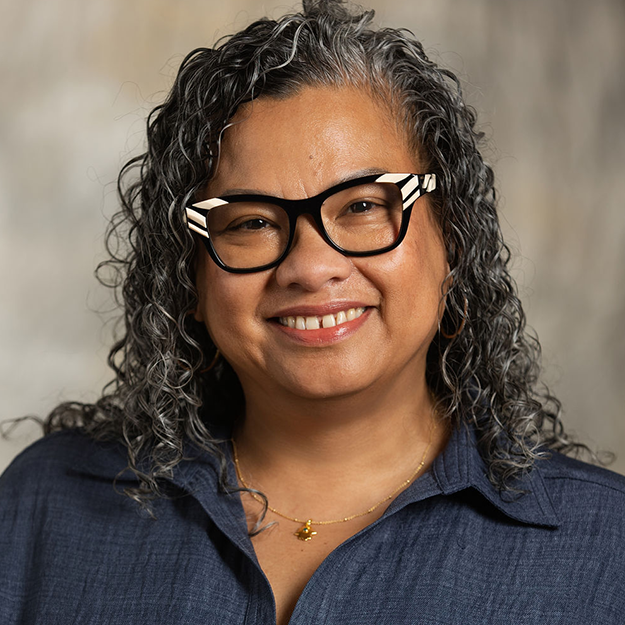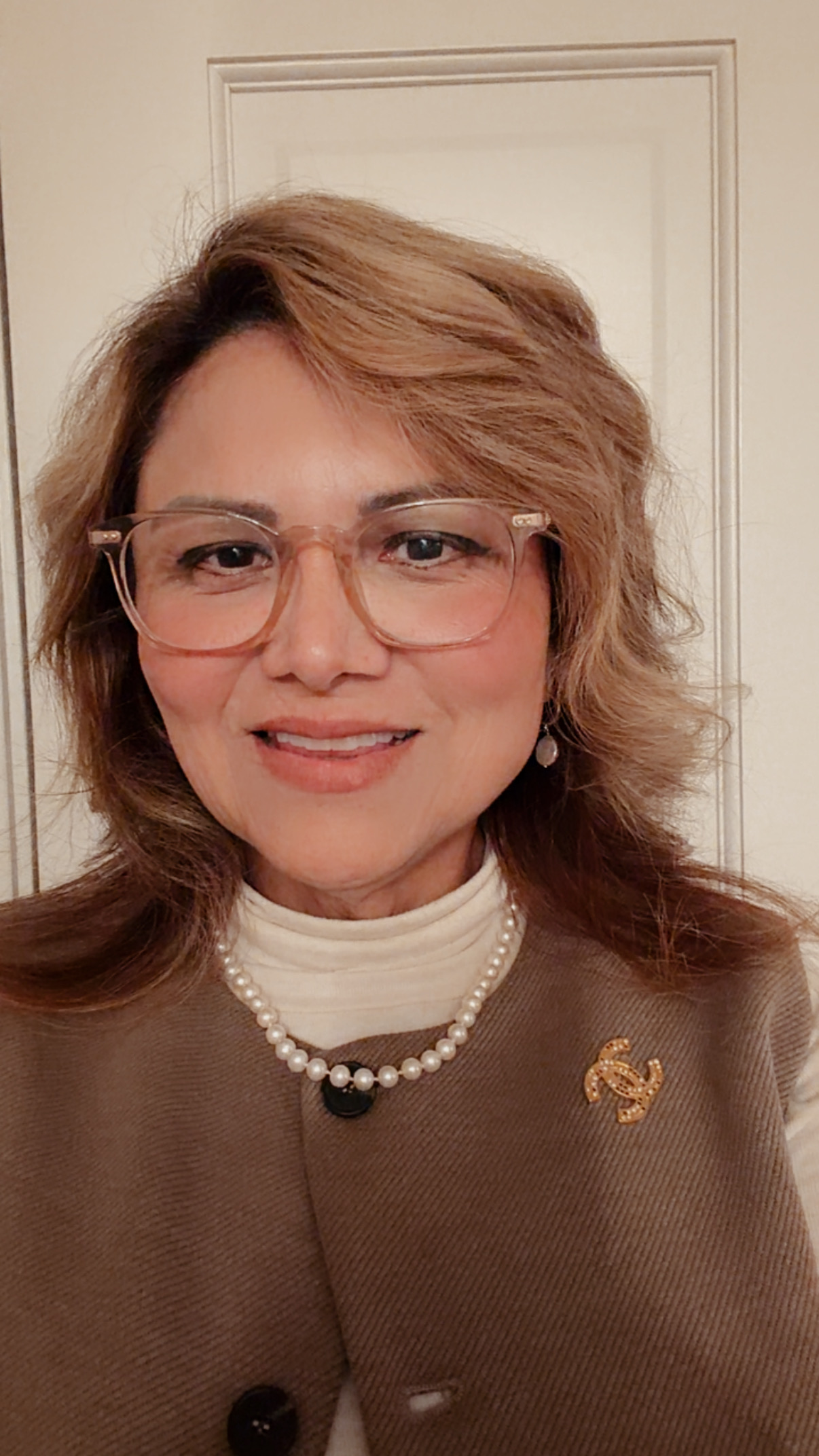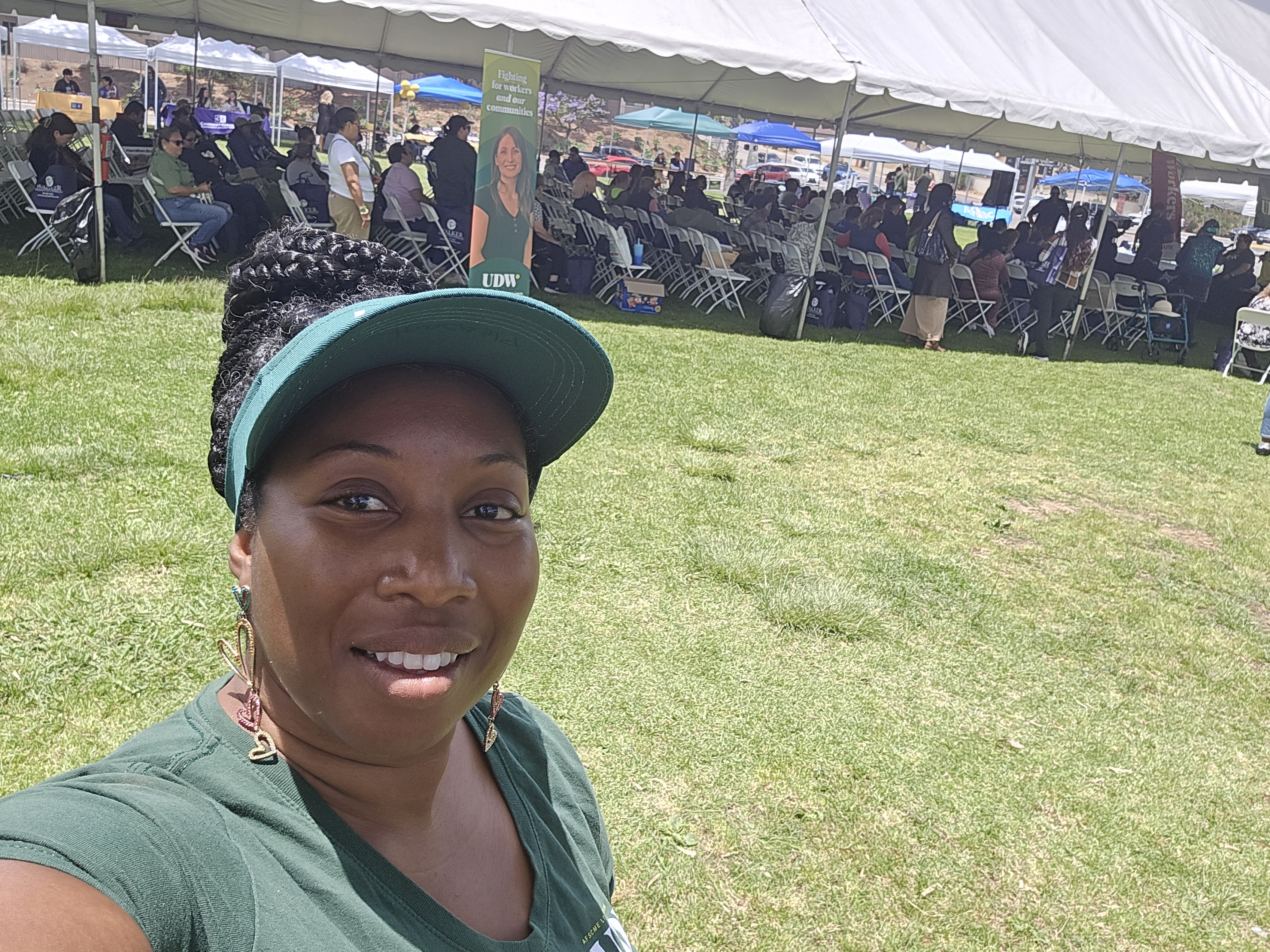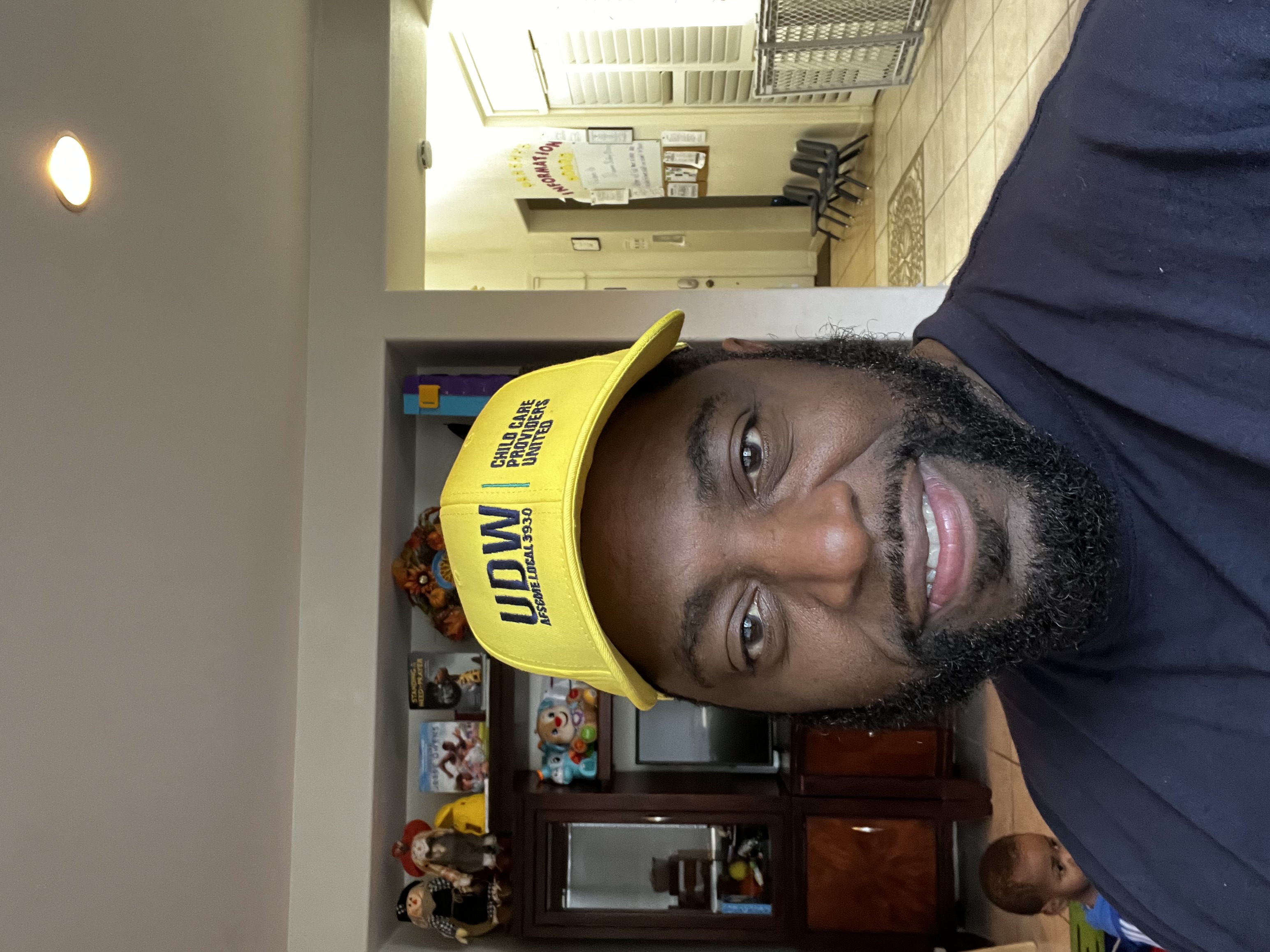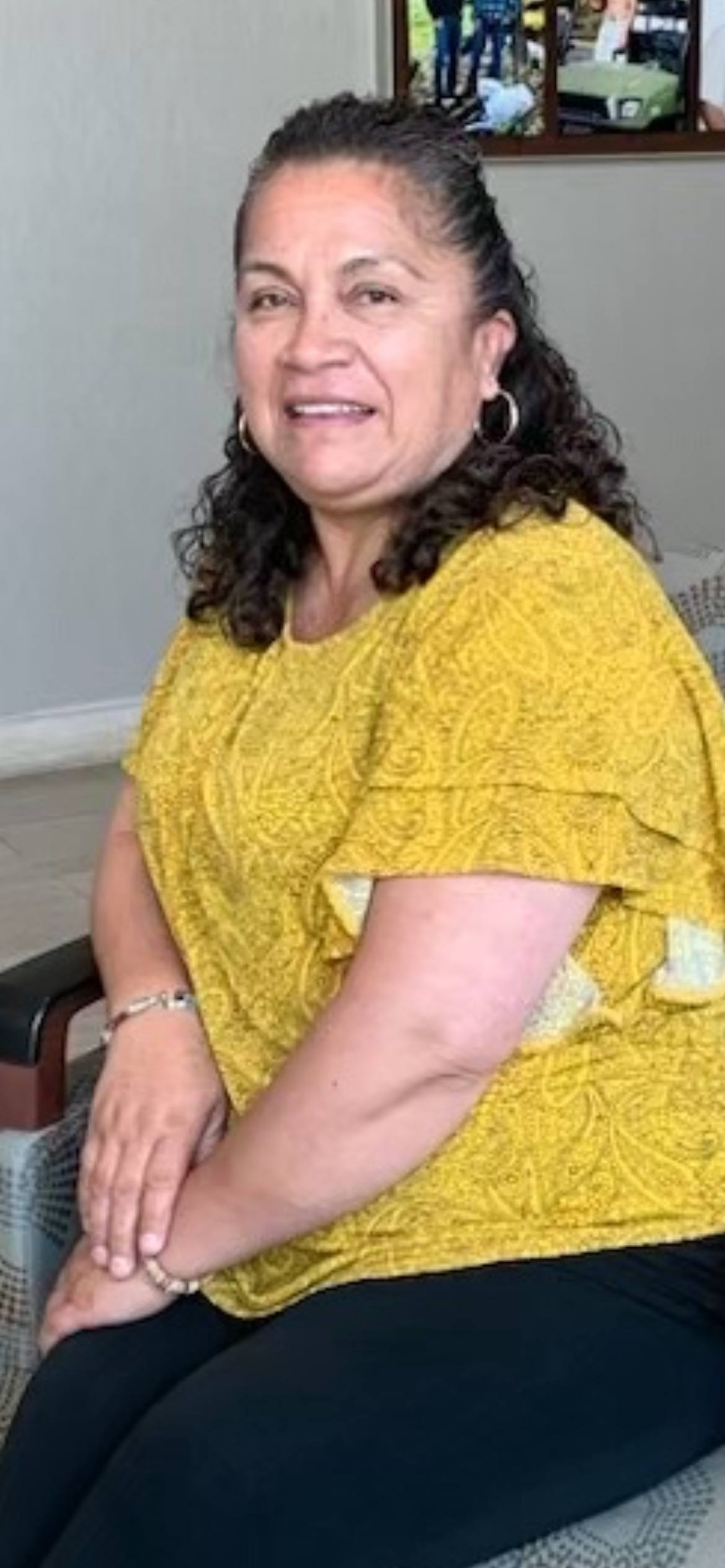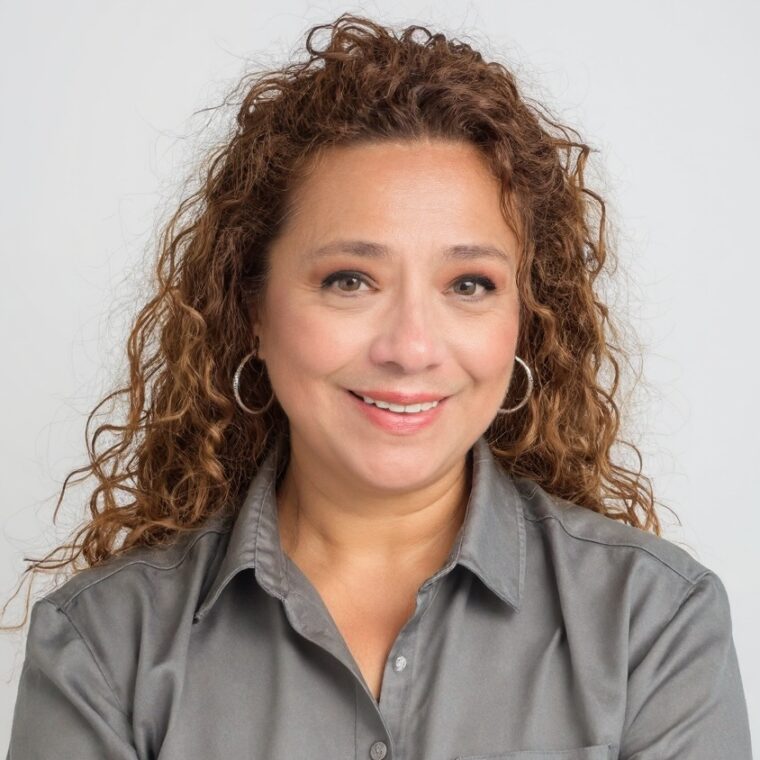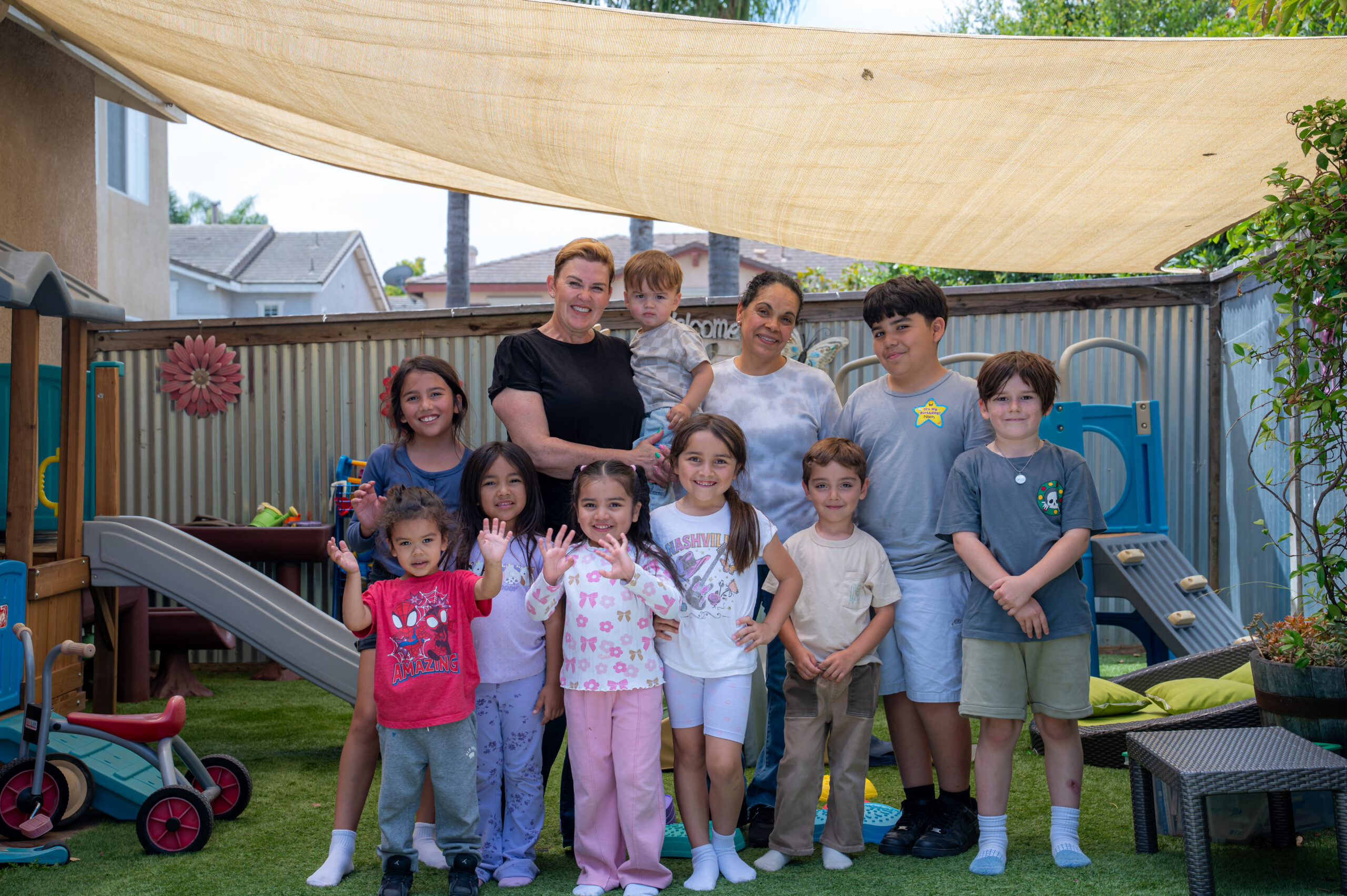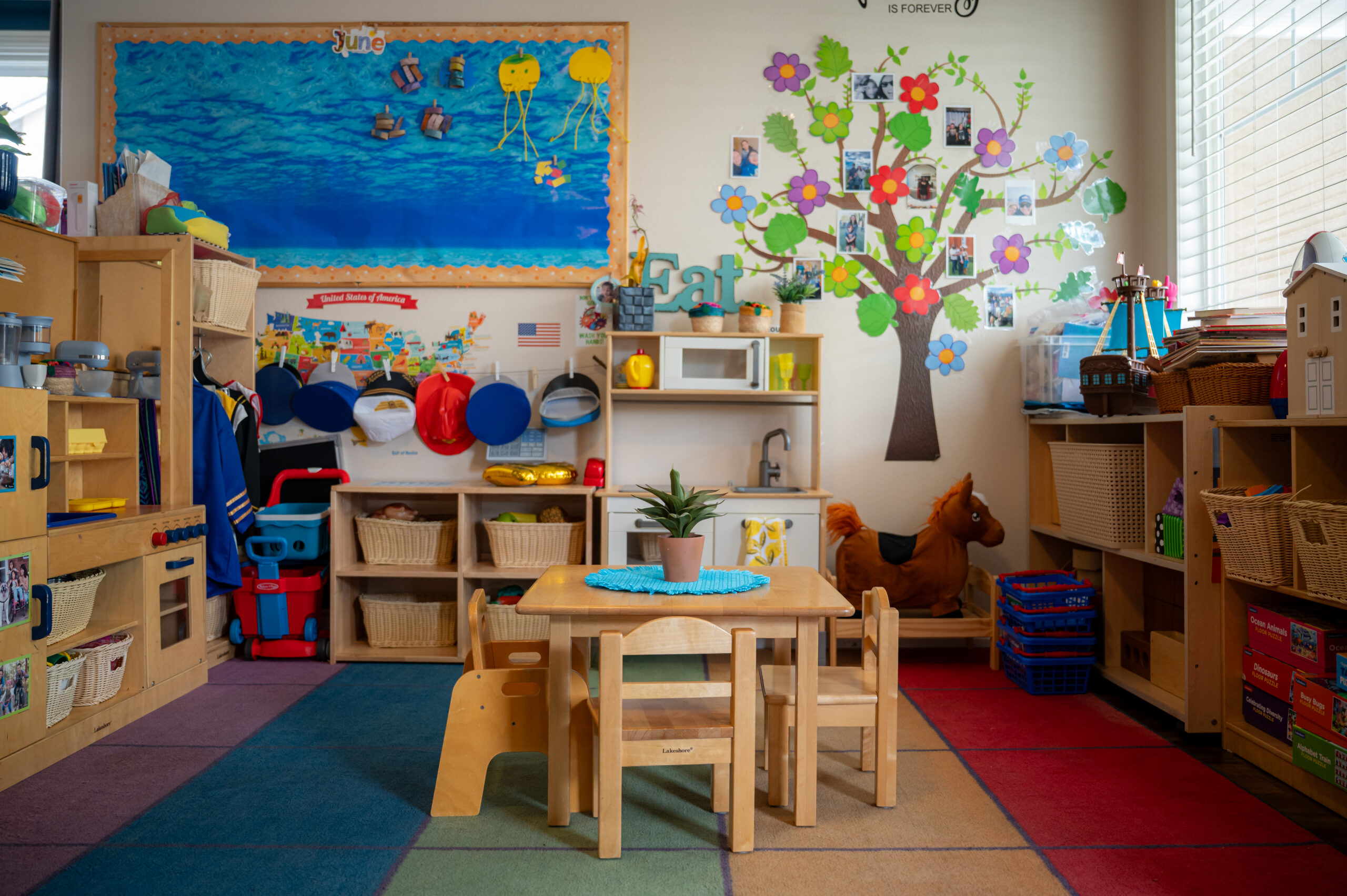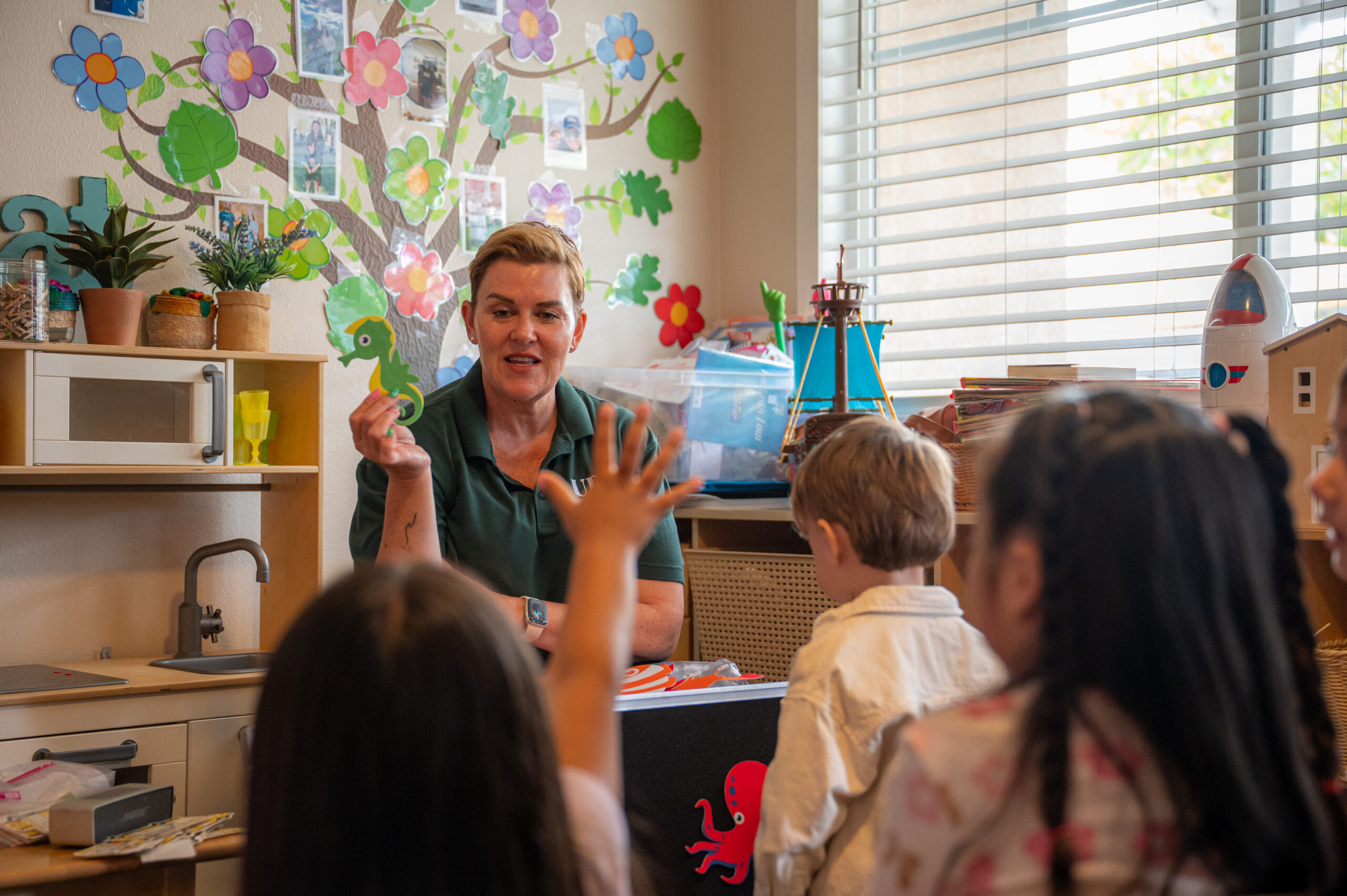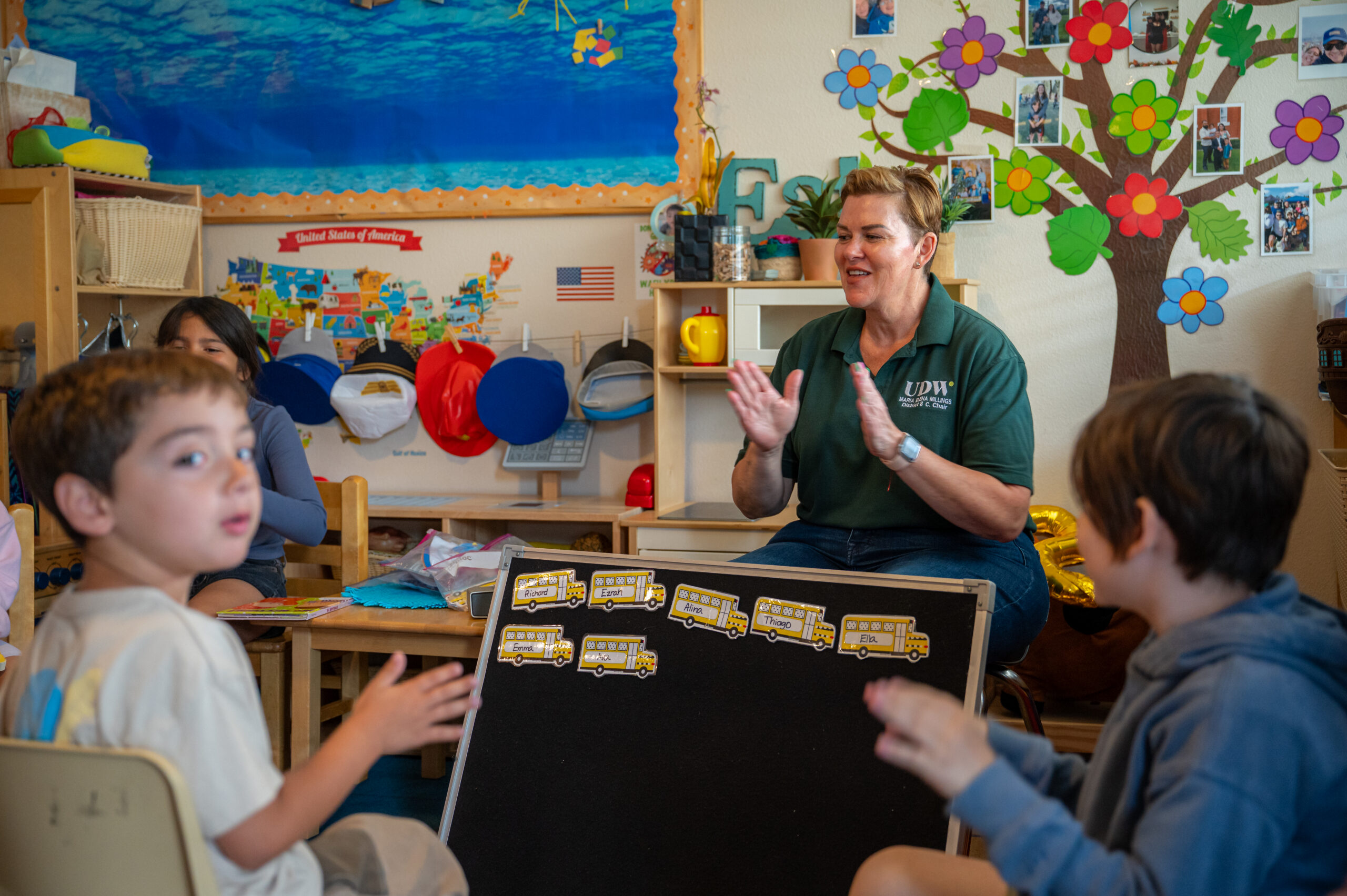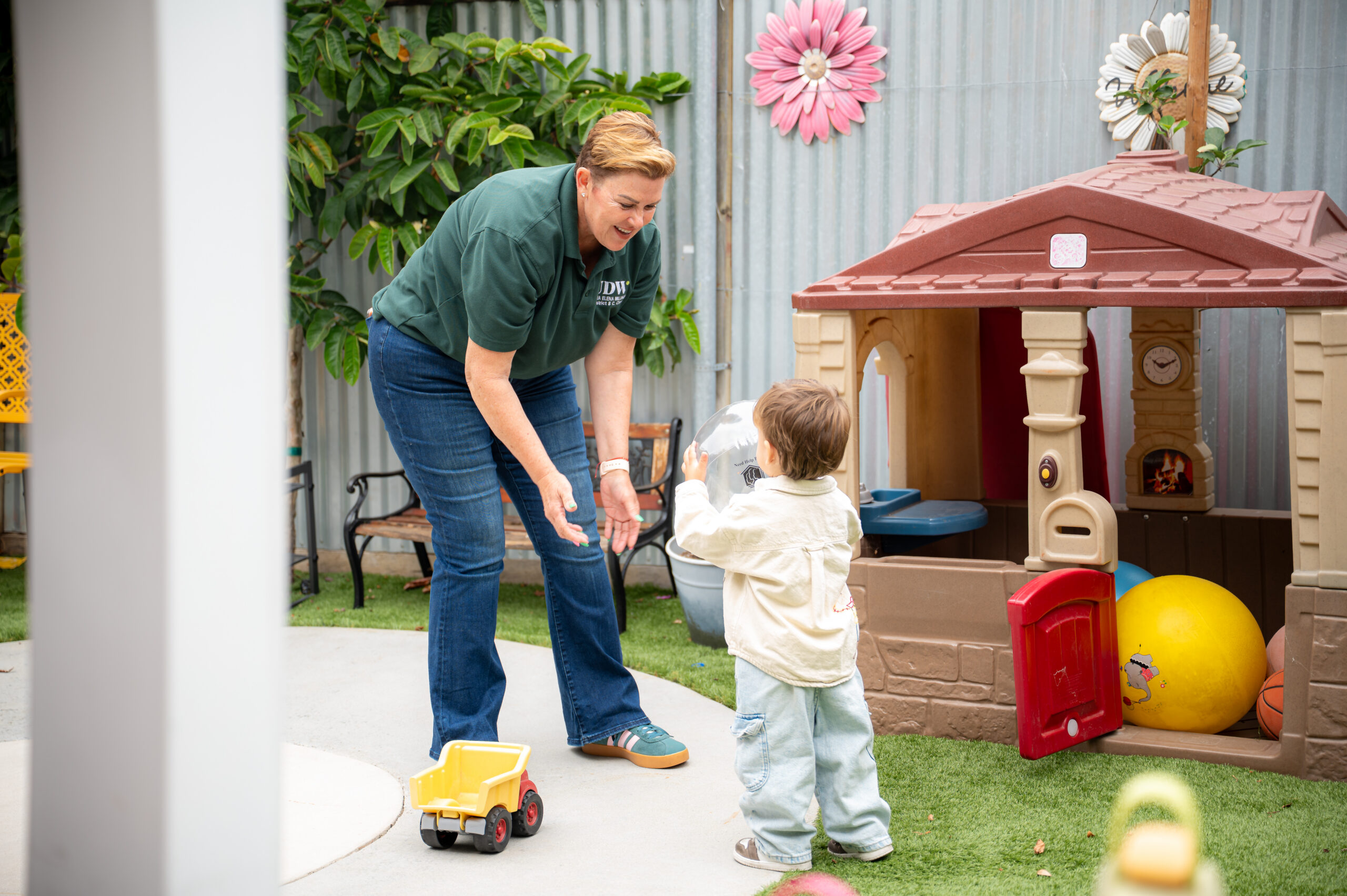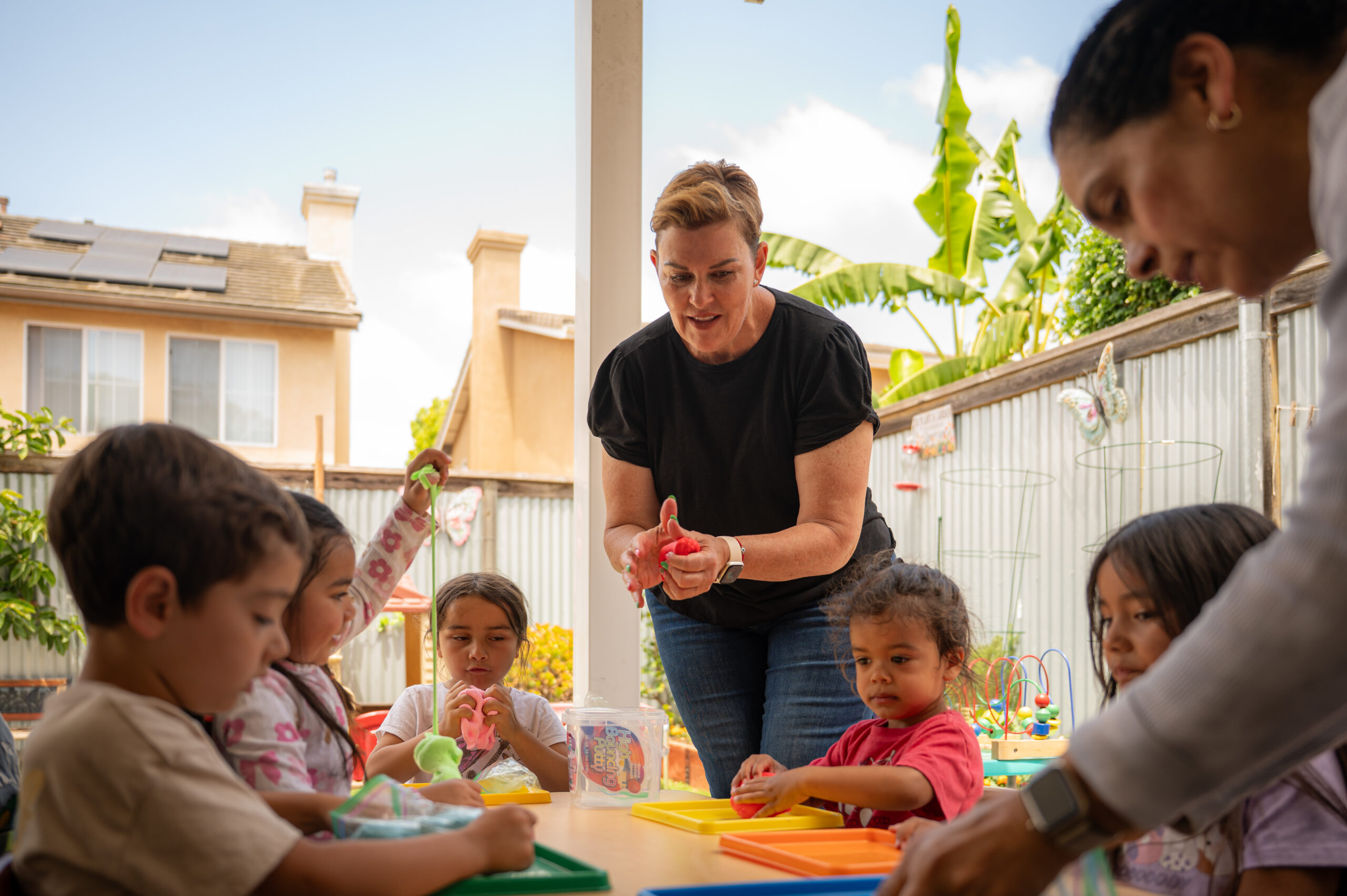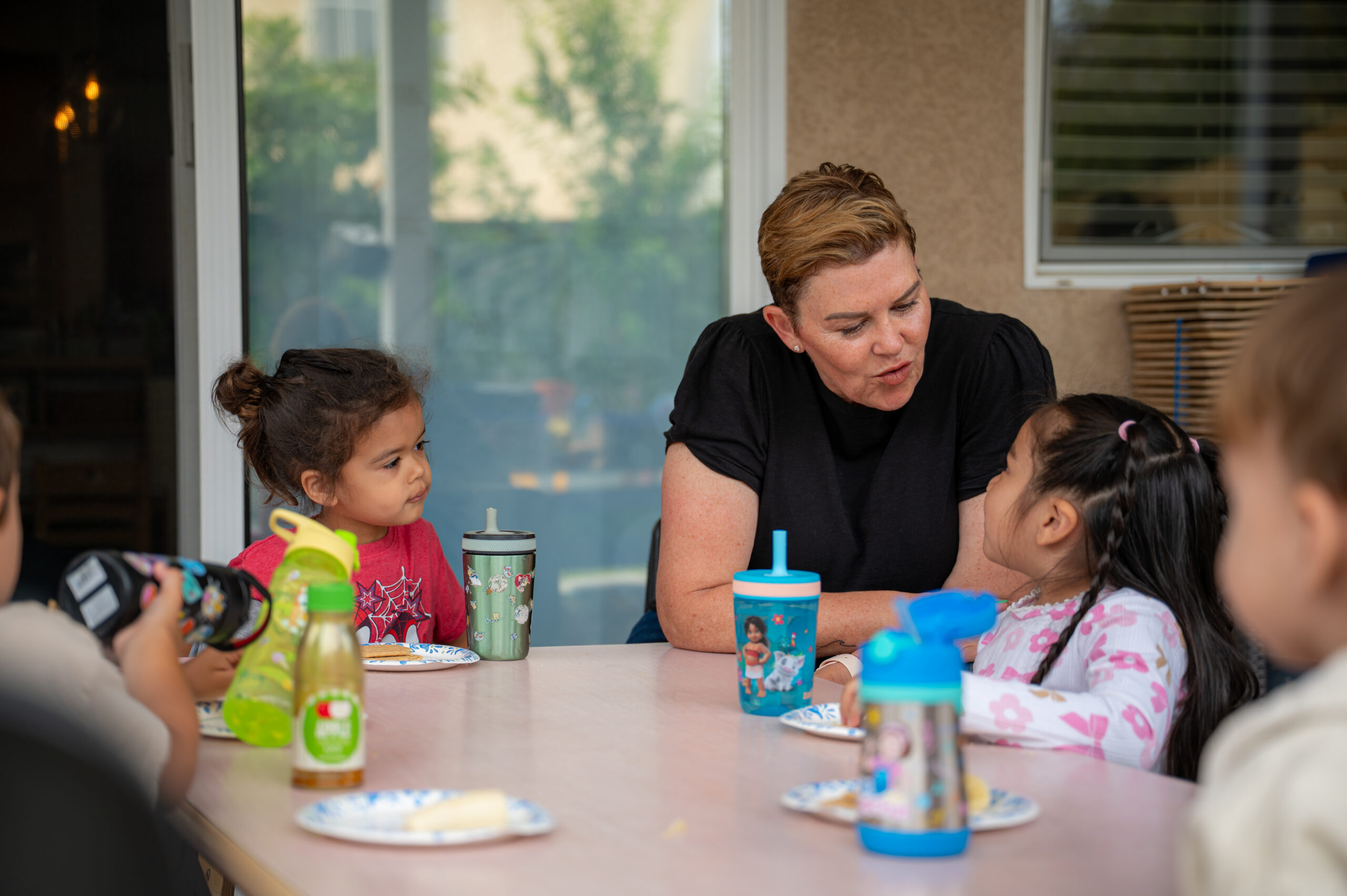
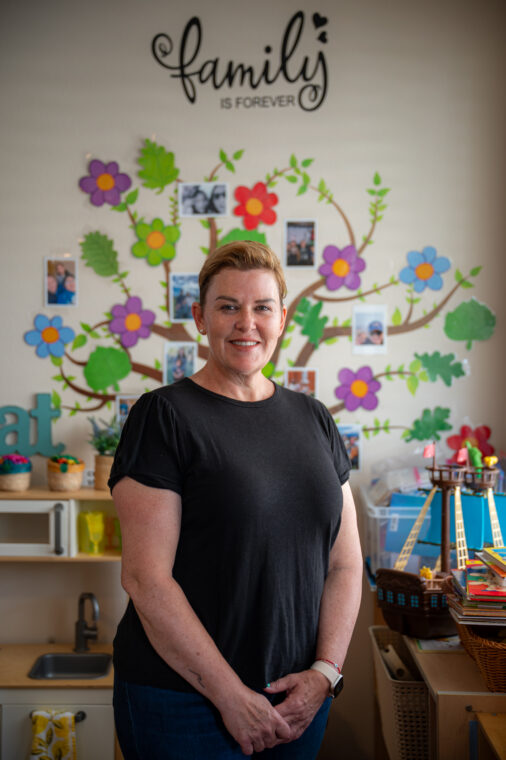
For more than 30 years, Maria Elena Millings has opened her home to the children and working families of Oxnard. Like many mothers in her community, she wanted someone she could trust, someone she could rely on, and most importantly, an environment where her daughter felt loved and excited to learn.
“I had a really hard time. I was thinking, well, I love working with kids, I need to open my own child care center. I wanted families to have someone they could count on.”
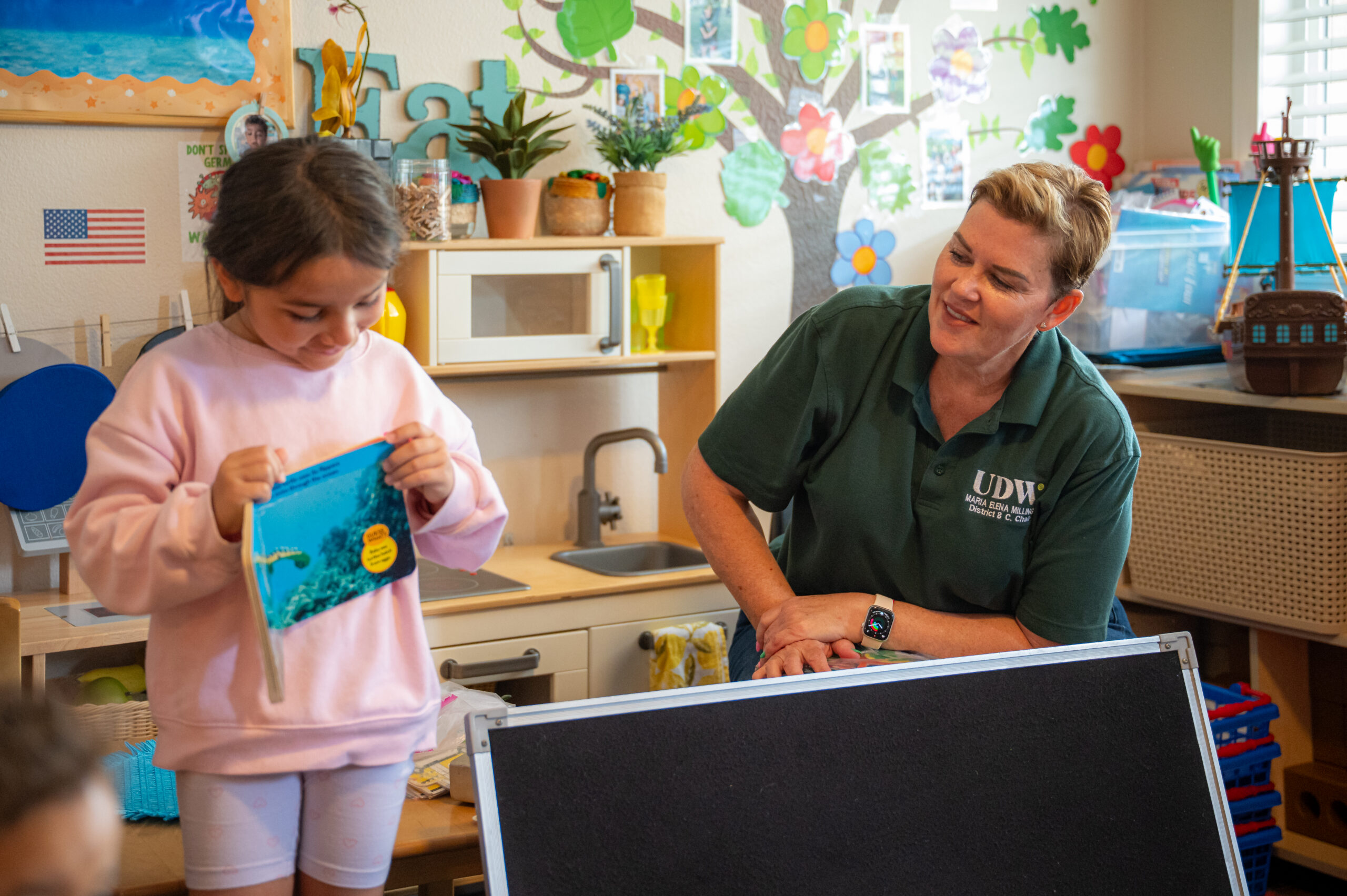
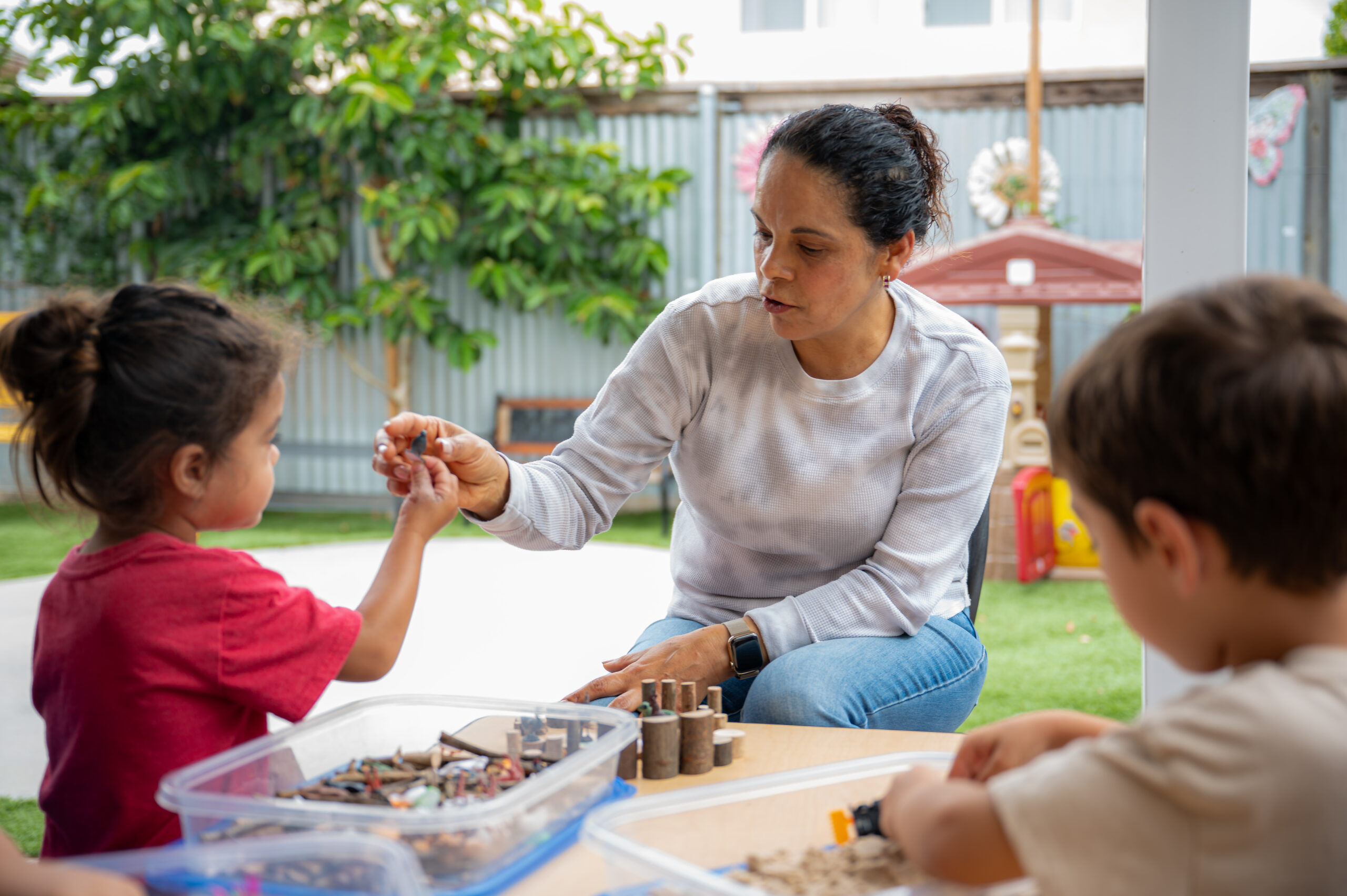
In 1992, she opened her in‑home family child care program — and that’s when her path toward shaping the future of early childhood care and education began. But her work has always been based in education. Before opening her own program, she worked in the Santa Barbara Unified School District’s Child Development Department, where she ran Mobile Waterford, an early learning reading program. She blends Reggio Emilia, Montessori, and child‑led learning, adapting curriculum to each child’s interests and developmental readiness. “I just follow what the child is interested in because I don’t want to force activities they’re not ready to do.”
Every child has a portfolio filled with photos, work samples, and observations across developmental areas. “I record everything. I take pictures, make observations, and then I add it to their portfolio so the parents can see how they progress.”
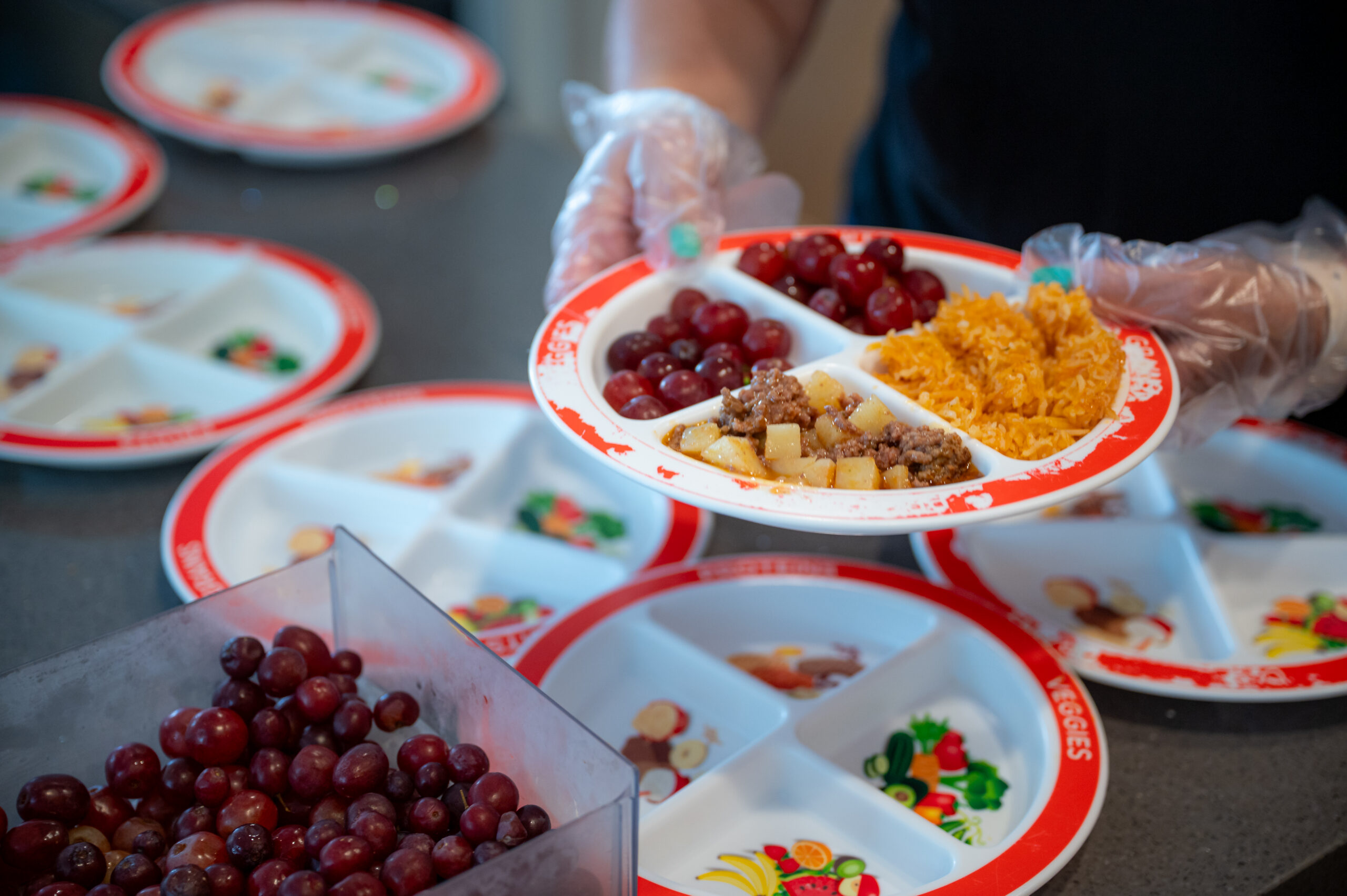
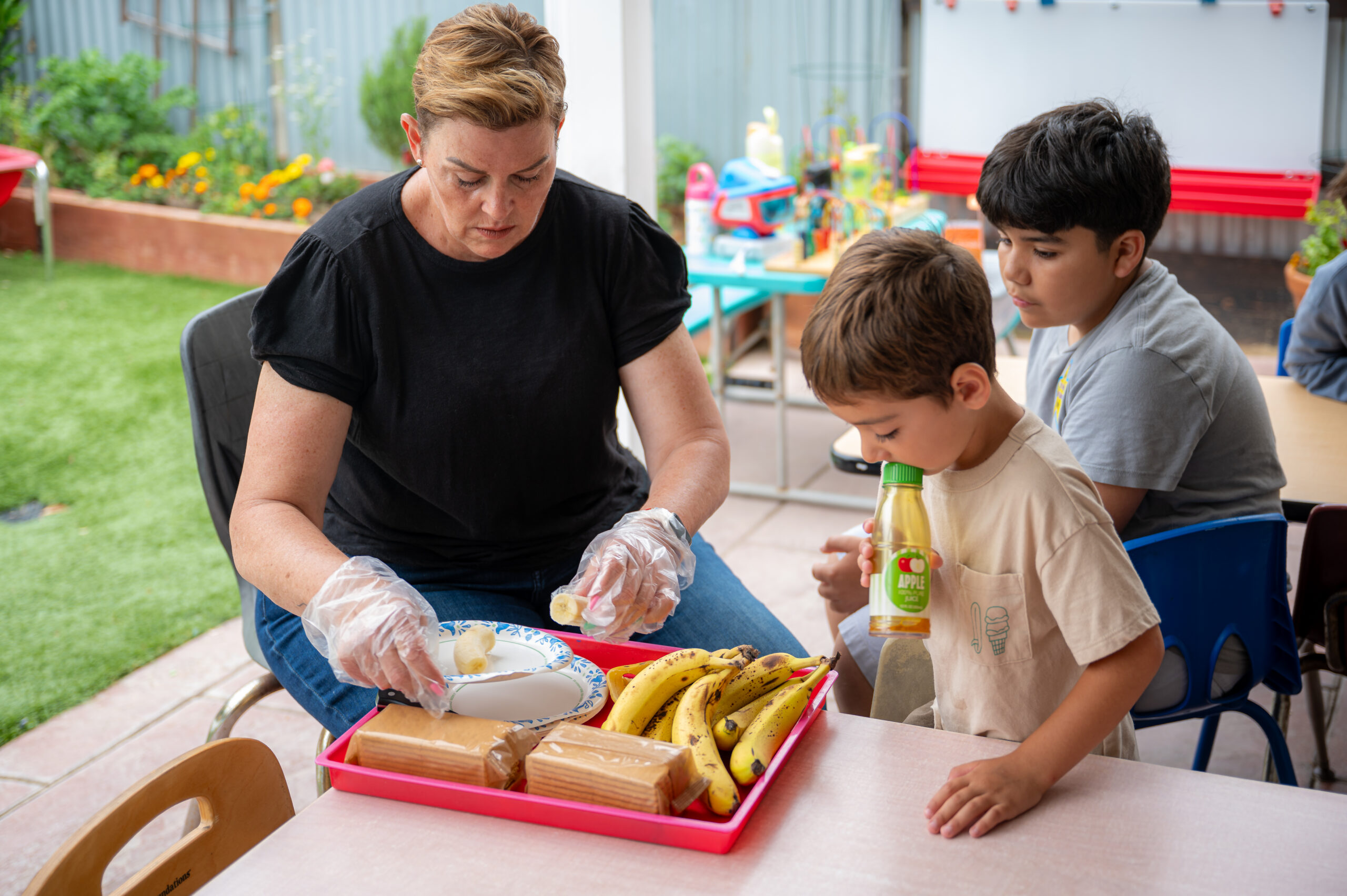
Her days begin long before children arrive. “Most parents think my days start when the kids arrive, but oh my god, no way! My days start the night before… planning breakfast, snack, lunch, and all our activities.” From meal prep to educational activities, comforting children at nap time, cleaning, resetting the space, and squeezing in paperwork and Zoom meetings, her work is constant. “It’s a whole process. Every day, nonstop.” She laughs about how normal it has become to eat standing up. “My husband was like, ‘Why don’t you sit down to eat?’ And I’m like, ‘I’m so used to eating standing because I’m always alert and on the go, you have to be.’”
The impact of her care stretches across generations. Children she cared for as babies now return as parents, asking her to care for their own children. She remembers Moni, who had been in her care as a child and later searched for her so she could enroll her baby. “She told me, ‘I’ve been looking for you everywhere because I know you were the right person to take care of my kids. I remember you taking care of me and I was always so happy with you.’” For Maria Elena, that moment was special. “It was huge for me, such a beautiful moment and impact, because we take care of them like our own children.”
Today, she cares for 14 children, many from families who are school staff, medical office workers, county employees, and many who are single parents working multiple jobs. “These parents work really hard just to get by, so the fact that I’ve been doing what I love for the past 30 years so they can provide is rewarding but also difficult, because I need to provide for myself and my family too.”
Running a high‑quality child care program is expensive, and the public rarely sees the true cost of care.
“Food alone has gone up. Biweekly, I spend over $800–$900 just on food, and this is me being modest.” Materials, toys, and equipment add thousands more each year. “I spend at least a few thousand dollars on updated necessities for my program, and sometimes that’s only just on five or six new things or stuff that has to get fixed.” These invisible costs are why providers across the state are fighting for the true cost of care. Fighting for rates that reflect what it takes to keep children safe and learning.
The financial strain became even clearer when Maria Elena faced her own health scare. Severe hip pain made it hard to walk, and tests showed advanced arthritis in both hips—“bone to bone”—requiring two total hip replacements. “It got to a point that I couldn’t walk. I can tolerate pain, but I couldn’t anymore.” The hospital bills were high. “Almost half a million per operation,” she said.
Without support, she could have faced lifelong medical debt. But through UDW, she had access to the CCPU health fund. “Thank God for that. If it wasn’t for that, I don’t know what I would have done.” By timing her surgeries across two plan years, her benefit covered most costs.
For her, the fund was proof of what child care providers can win when they organize.
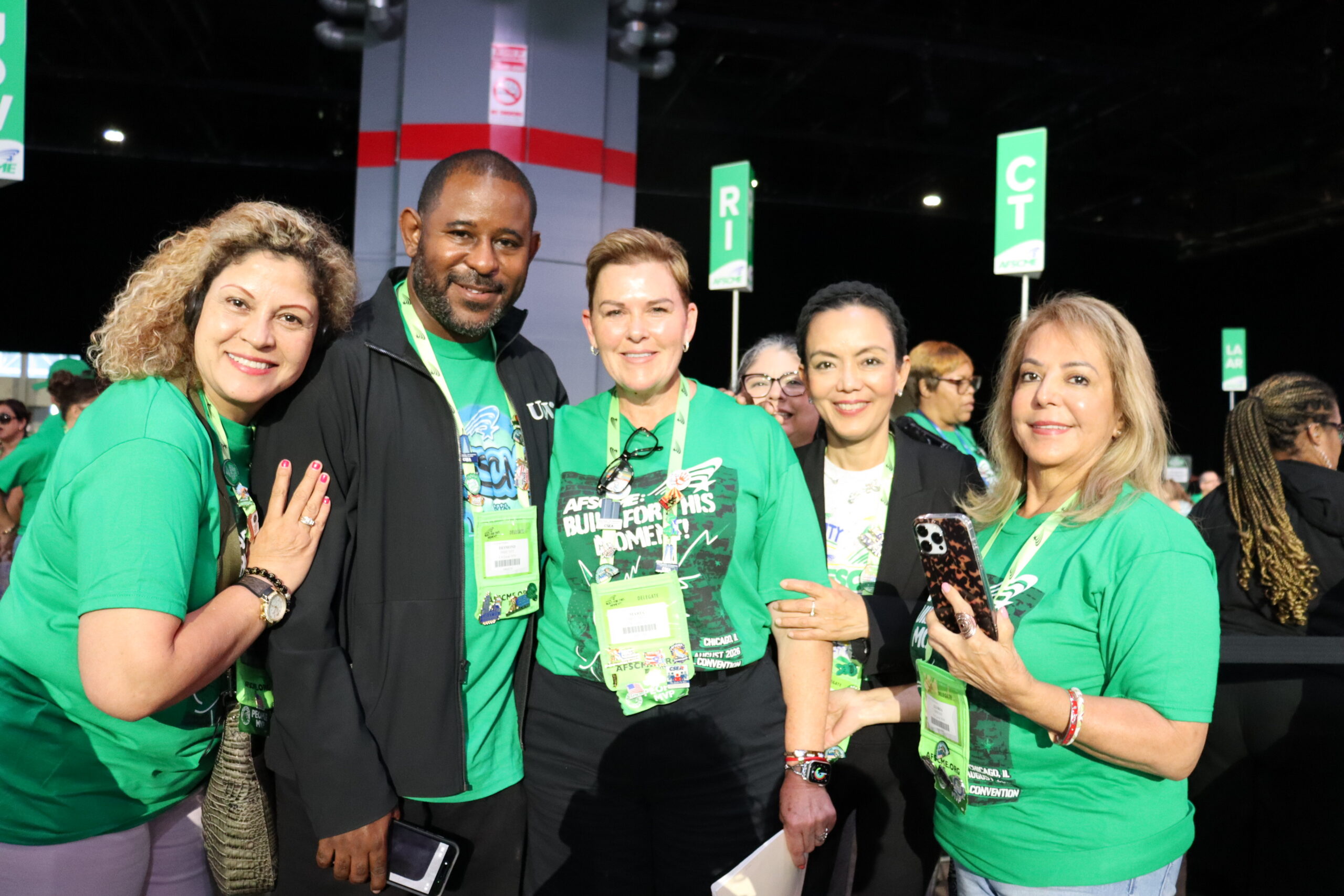
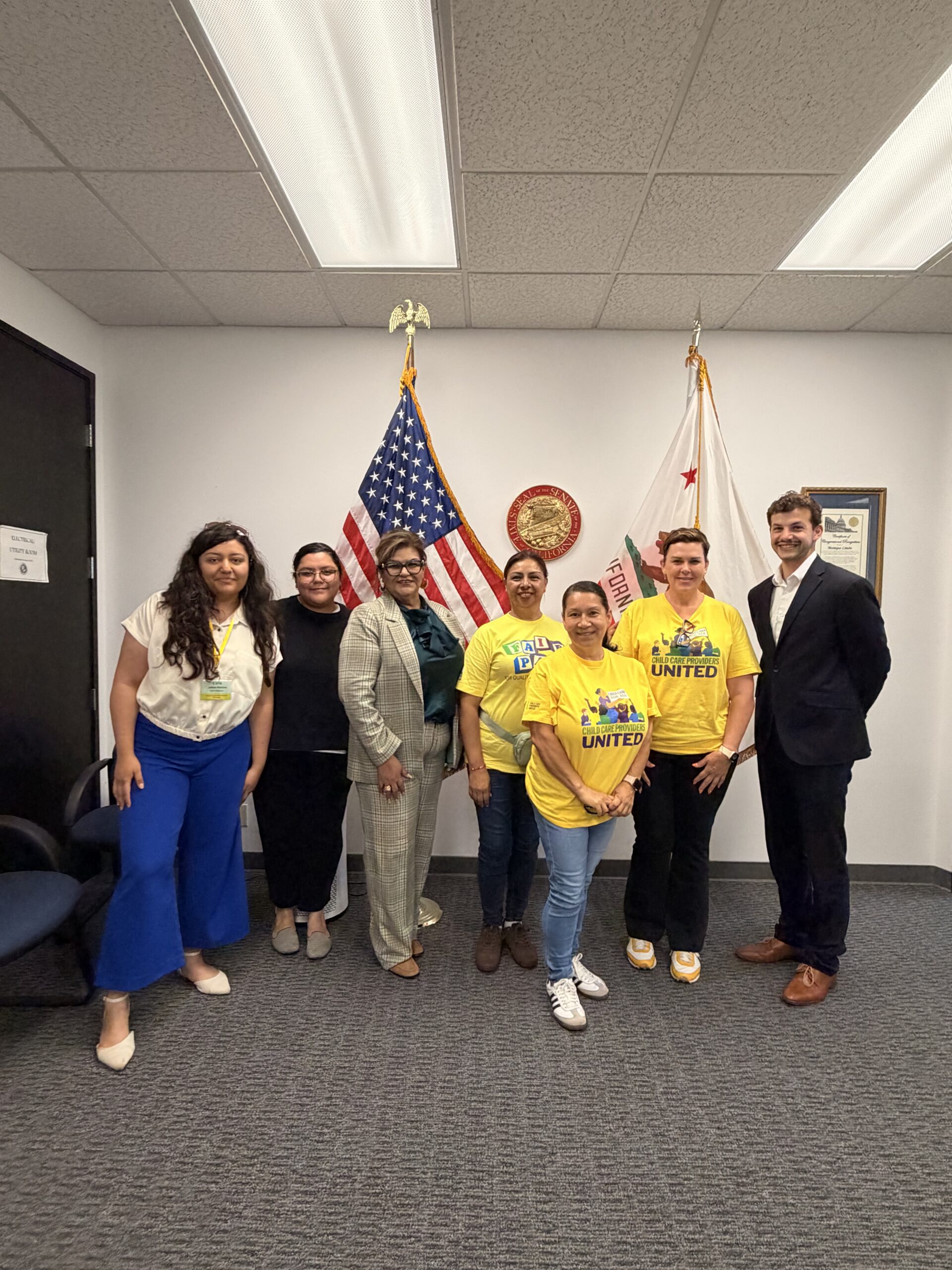
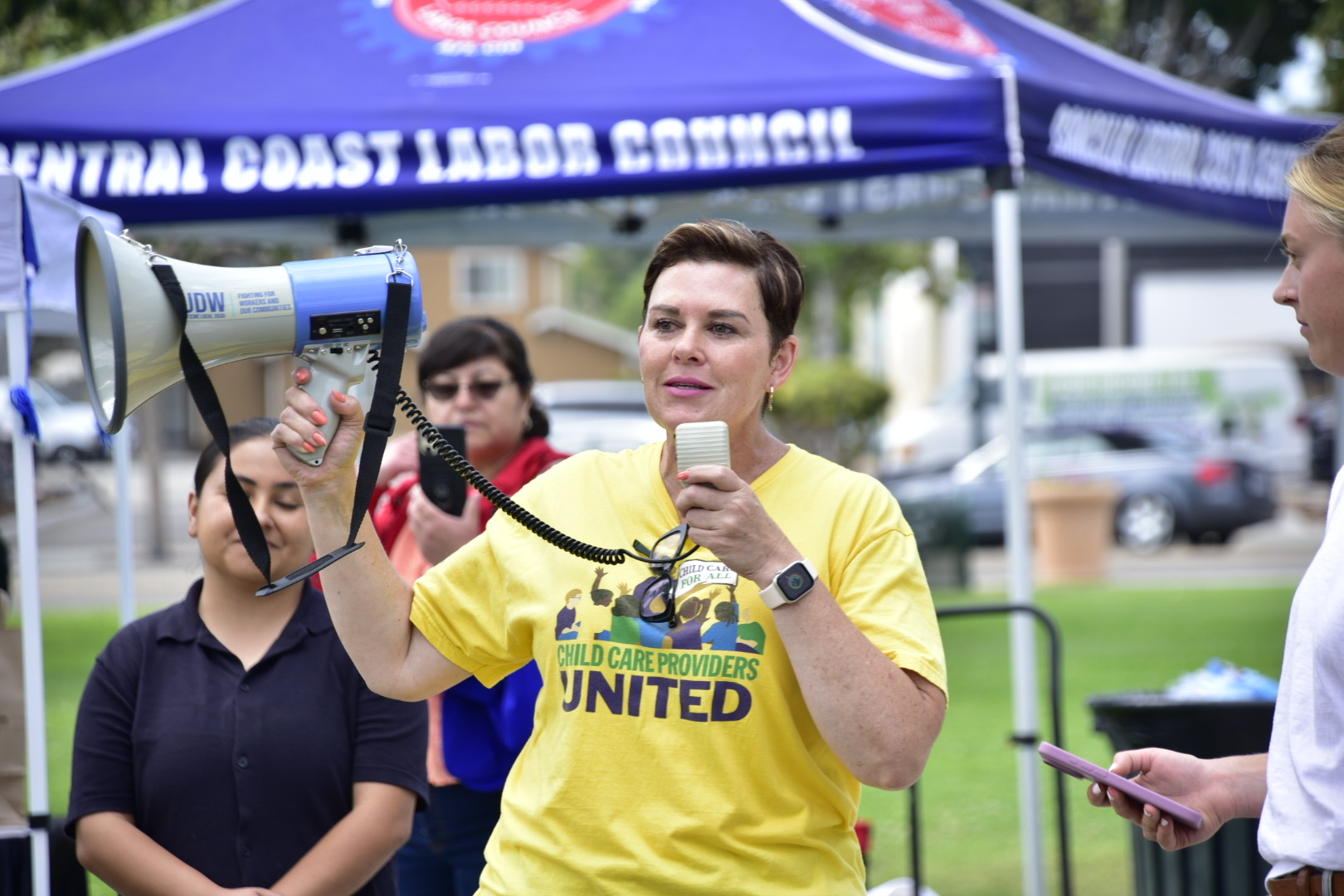
Maria Elena has been part of UDW for over 20 years, but in the last five she stepped into deeper leadership—talking to providers, meeting with legislators, and helping build power across her region. “UDW has shown me so many things. It has shown me such a huge growth on myself and I’m grateful to be part of the movement.”
But, she’s frustrated that in one of the richest countries in the world, child care is still treated as an afterthought. “There’s other countries who value this work and understand why us providers are so important. Why can’t the United States have that too? I mean, it’s the United States of America. Hello.”
Despite her feelings, she encourages future child care providers to follow their hearts. “If you truly love working with children, do it… you’re not going to regret it.”
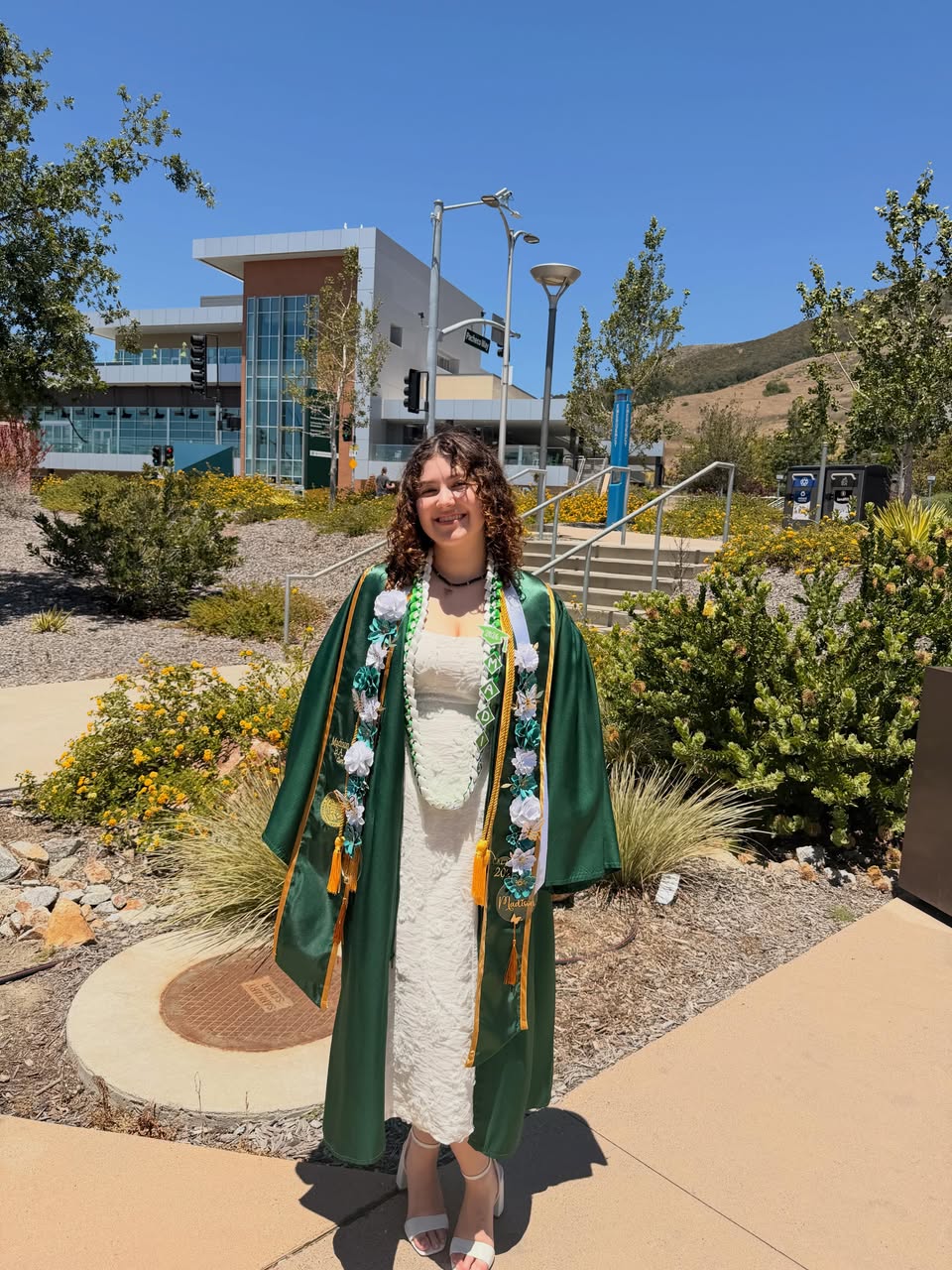
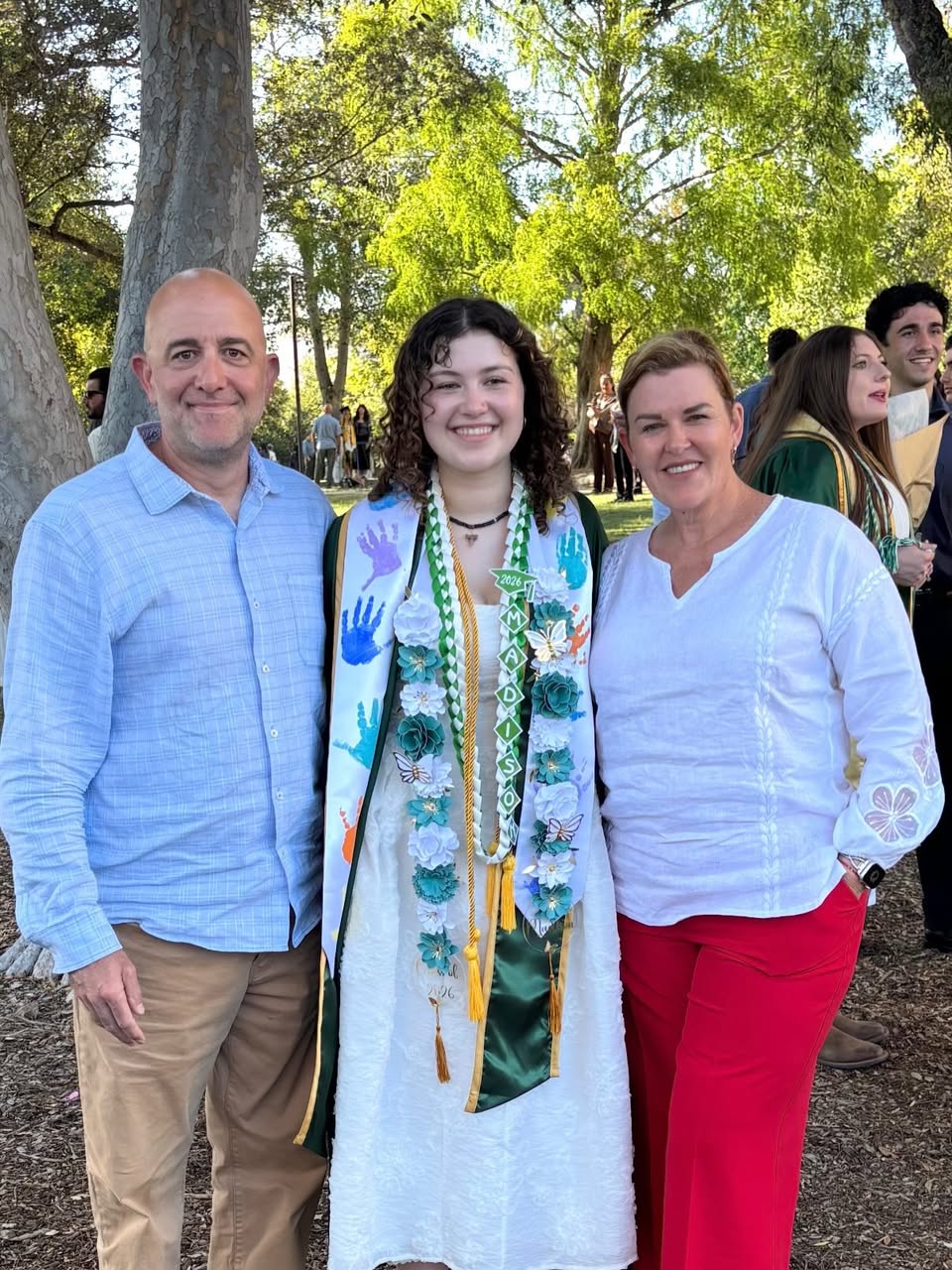
Her daughter, who grew up watching her care for children recently became a third‑grade teacher. A full‑circle moment for their family. “We’re so happy for her. She just graduated from Cal Poly with a B.A. in English, minors in Linguistics and Spanish, and is now starting her own journey in education.”
For Maria Elena, that’s what this work is about: family, love, community, and fighting for a child care system that honors the people who make all other work possible.