
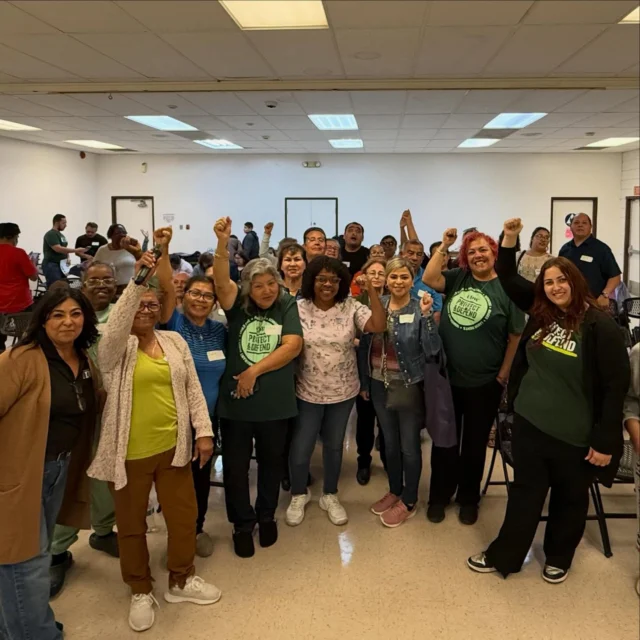
When we vote, we decide who holds power. When we campaign, we build the movement. But the most powerful thing a care worker can do goes beyond the ballot — it’s getting on it.
When one of us runs for office, we don’t just represent ourselves. We represent every one of us who has ever been told our voice doesn’t belong in those rooms. We bring caregiving — the real thing, the lived thing — directly into the places where decisions get made. That changes everything.
From caregiving to the campaign trail: meet Sydney O’Connor
Sydney O’Connor knows this firsthand. A home care provider since 2015 and our District 5 Chair, ran for the Kern County Board of Supervisors in District 2. We chatted with Sydney to hear about her campaign in her own words* — what drove her, what she learned, and what she wants every care worker to know heading into November’s election season.
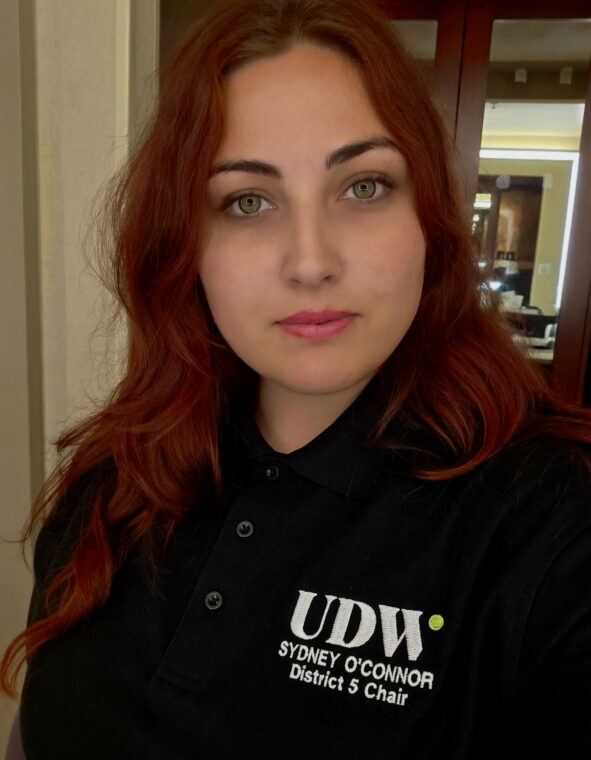
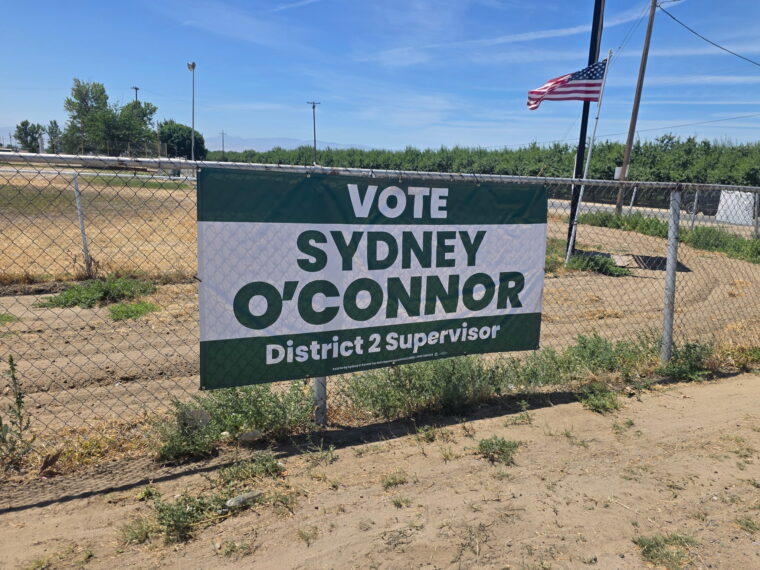
What made you decide to run for office?
“I ran for the Kern County Board of Supervisors because I was tired of watching my community go unrepresented and unheard. I’ve lived in Tehachapi since 1999 and never saw anyone who looked or thought like me in office — especially not young women, caregivers, or progressive rural residents. After years of seeing a board that won’t even pay its own workers fairly, and watching decisions get made by people who don’t live the realities we do, I felt a responsibility to step up.”
What was it actually like to run?
“Empowering and exhausting. As a first-time candidate with under $6,000 and no real campaign team, I was essentially the campaign — while still working as a caregiver. I had to learn everything on the fly, from compliance and filing to messaging and building name recognition. My signs were stolen, tech and texting efforts broke down, and I faced an opponent backed by Chevron and the local Republican establishment. But talking directly with rural residents about water, environmental justice, and everyday struggles energized me in ways I didn’t expect.”
What moments made you feel most affirmed?
“The moments that hit hardest were when I was out talking directly with people and realizing just how much our stories lined up. Going to community meetings about water and the environment, hearing people open up about what they needed — that lit a fire in me. Some of the most powerful moments came in unexpected places, like open mic nights at the local brewery. I’d get on the mic after helping the blind musician I care for set up, talk about why I was running, and have folks come up and say, ‘I didn’t know anyone like you was running.’ Those conversations made me feel like I was exactly where I was supposed to be.”
How did UDW show up for your campaign?
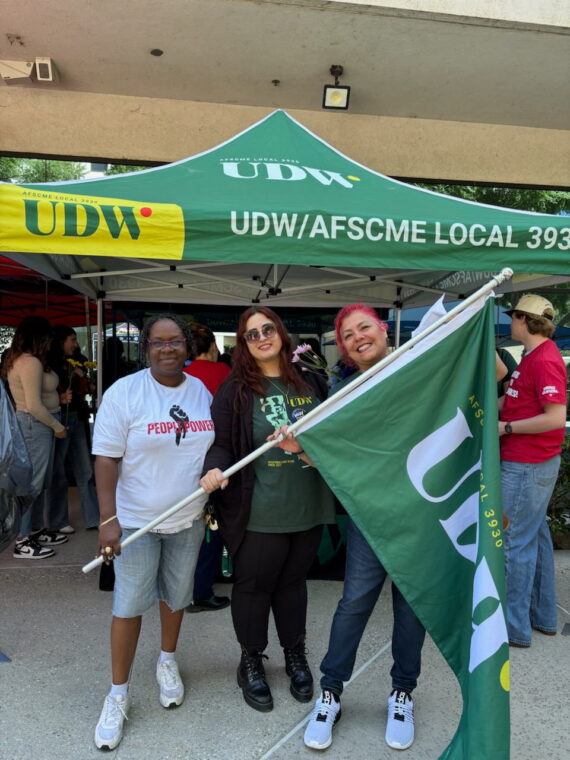
“UDW endorsed my run and showed up with canvassing and phone banking. Having that backing — knowing my union was with me — mattered.”
Even without advancing, what impact do you think your campaign had?
“We forced a conversation in District 2 about things that usually get ignored — water rights, the crisis in small communities like Keene, what it means to prioritize people over data centers, oil, and big corporations. Nearly 7,000 people chose my name on that ballot. Those votes don’t disappear. They’re a base of people who now know there’s an alternative, and that a young, progressive, caregiving woman can step up and run. My campaign planted seeds — for my own future runs, and for the next regular person who looks at this race and realizes they’re allowed to lead too.”
What would you tell someone thinking about running?
“You don’t have to be perfect to step up. I’m a caregiver, a working-class woman from a rural community who has donated plasma to put gas in my car and driven dirt roads to bring water to a senior. That lived experience is exactly what our government is missing. Start earlier than you think you need to, build a team and a support system, and be honest about how much time it takes. My first run was underfunded, messy, and hard — but I built relationships, grew a thicker skin, and I’m not done. You may not win the first time. But you’ll open doors for yourself and for the next person who sees someone like them on the ballot.”
Why does voting matter — especially now?
“Not voting is a luxury working-class people and care workers simply do not have. The programs and wages we depend on are directly shaped by who’s in office. Pay attention to primaries. Pay attention to down-ballot races — city council, mayors, judges. When thousands of people decide their one vote doesn’t matter, it becomes true. We can’t afford that.”
November elections are coming and we’re not sitting it out
Sydney makes it clear: not voting is a luxury care workers cannot afford. The programs our clients depend on, the wages we take home, the conditions we work under — all of it is on the line in November.
If you’ve ever thought about running for office yourself — a school board, a city council, a county seat — talk to us. Sydney proved that a caregiver from a rural community with under $6,000 and no political machine behind her can get nearly 7,000 votes and change a conversation. Imagine what we can do when more of us step up.
We’re not waiting to be invited into these rooms. We’re running for them.
*Sydney’s responses have been lightly edited for length and clarity while preserving her words and inten